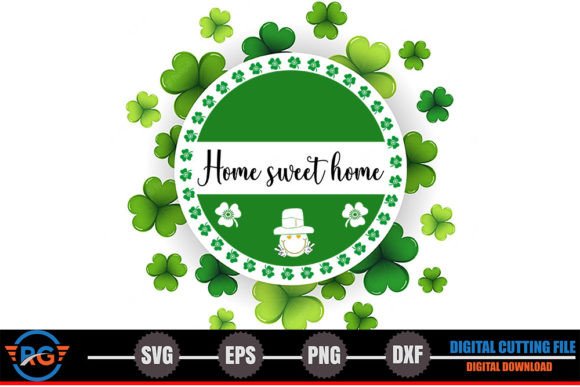
Home Sweet Home – SVG: A Designer's Real-World Review
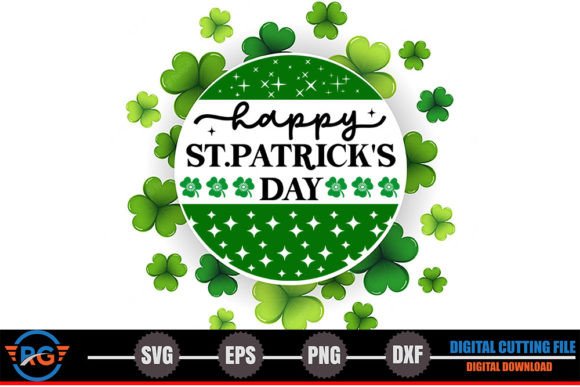
When I first pulled up the Home Sweet Home – SVG file on my screen, I wasn't looking for flashiness. As someone who spends hours digitizing and stitching for clients, I look for reliability, clean lines, and a design that translates well from a digital vector to actual thread. This St Patrick's Day round sign graphic immediately struck me as a solid contender for seasonal boutique items. The layout is classic—a circular badge style that feels timeless rather than trendy, which is exactly what you want when investing time in a handmade product that needs to sell beyond a single holiday weekend.
The visual personality of this Graphics asset is warm and inviting. It carries that specific "cozy home" mood that resonates deeply with customers looking for housewarming gifts or spring decor updates. The round shape is particularly useful because it naturally contains the design elements, making it easier to visualize on curved surfaces like caps or rounded patches. However, before committing this to a client's custom apparel order, I needed to dig deeper into how it would perform under the needle.
From Screen to Stitch: Evaluating the Workflow
One of the first things I check with any new embroidery file is its adaptability. The product description notes that you receive a zip containing SVG, EPS, DXF, and PNG formats. For an embroidery designer, the SVG and EPS files are the gold standard here. They allow me to import the vector directly into my digitizing software to assess paths and potential stitch types. Since the file is listed as 100% editable and color changeable, I have full control over the final look. This is crucial because a design that looks great in green might need adjustment if a client wants a neutral palette for year-round use.
In a real-world scenario, imagine preparing a custom embroidered tote bag for a local market stall. Tote bags often use canvas or heavy cotton, which can be tricky with fine details. I loaded the Home Sweet Home – SVG into my software to simulate a fill stitch for the background circle and a satin stitch for the lettering. The round sign format works exceptionally well here because the boundary is clear. There are no stray elements hanging off the edge that could cause threading issues or require excessive trimming. For a craft business, efficiency in the hoop is just as important as the aesthetic appeal.
Ideal Applications for Small Shops and Makers
This design shines brightest when applied to specific embroidery project types where a central, contained motif is needed. Here is where I see the most potential:
- Kitchen Textiles: Tea towels and aprons are perfect candidates. The "Home Sweet Home" message fits the context perfectly, and the round shape centers beautifully on a hanging loop or pocket.
- Nursery Decor: While tagged for St Patrick's Day, the sentiment is universal. With a simple color swap in your software, this becomes a staple for baby embroidery projects, ideal for bibs or nursery pillow covers.
- Apparel Accents: Think left-chest logos on sweatshirts or back-yoke designs on denim jackets. The scale of a round sign usually translates well to these standard placement areas without overwhelming the garment.
- Patches: Because the design is self-contained within a circle, it is an excellent candidate for creating embroidered patches. You can easily add a merrow border in your digitizing software to create a sellable embroidered patch product.
For an Etsy seller or small shop owner, versatility is key to maximizing ROI on design assets. The ability to tweak the colors means you aren't limited to March sales; you can pivot this digital embroidery file into autumn decor or general home goods simply by changing the thread palette.
Technical Considerations and Fabric Challenges
While the design concept is strong, practical execution requires caution. Not every fabric plays nice with every digitization strategy. When working with the Home Sweet Home – SVG, pay close attention to the following technical hurdles:
Fabric Texture and Stability: If you are stitching onto textured fabrics like waffle weave towels or stretchy knits, the density of your stitches matters. A round sign often implies a solid fill. If the stitch density is too high, it can cause puckering, especially on thin fabric or stretchy material. Always test on scrap fabric first. I recommend using a cut-away stabilizer for garments that will undergo frequent washing, ensuring the finished product maintains its shape over time.
Small Hoop Constraints: Although round designs are generally compact, verify the dimensions against your available hoop sizes. If you are aiming for a tiny detail on a cap or a baby onesie, ensure the lettering remains legible. Tiny lettering can easily turn into a blob of thread if the satin stitch columns are too narrow. If the original vector has very fine text, you may need to adjust the font weight in your editing software before converting it to a machine embroidery design.
Dark Fabric Contrast: The visual appeal of this design relies heavily on contrast. On dark fabric, a light-colored thread pop is essential. However, if the design includes intricate internal details, they might get lost against a black navy background. Creating a black-and-white mockup before stitching can help you judge if the contrast is sufficient for the intended custom apparel or home good.
Enhancing Brand Value and Customer Trust
Ultimately, the choice of design affects your brand perception. Using a clean, well-structured graphic like Home Sweet Home – SVG signals professionalism. Sloppy, pixelated, or poorly proportioned designs erode customer trust. This particular asset, with its clear geometry and editable nature, allows for a polished presentation. Whether you are creating a printable mockup for your online store or displaying a physical sample at a craft fair, the clarity of the lines contributes to a high-value perception.
For commercial embroidery projects, consistency is vital. Because the file is editable, you can ensure that every item leaving your shop matches your brand standards. You can standardize the thread colors to match your shop's identity or a client's specific requirements. This level of control transforms a simple graphic into a reliable design asset that supports long-term business growth.
Final Verdict for the Practical Maker
Before running a production batch, always confirm the licensing terms provided with the download. While the file offers extensive editability, understanding the boundaries between personal use and commercial resale is critical for any creative entrepreneur. Assuming the license permits commercial use of finished items, this design is a robust addition to your library.
In summary, the Home Sweet Home – SVG is more than just a holiday graphic; it is a flexible foundation for a variety of Crafts and textile applications. Its round format simplifies hooping and placement, while the editable vectors give you the freedom to adapt it for diverse markets. Just remember to respect the limitations of your materials—test your stabilizer choices, watch your stitch density on knits, and ensure your thread contrast pops. With these precautions in place, this design is ready to become a staple in your lineup of personalized gifts and boutique merchandise.