Review: 100 Days Smarter Retro SVG for Embroidery
As a designer who spends more time staring at stitch previews than I do sleeping, I approach every new digital embroidery file with a mix of excitement and skepticism. We have all been there: you buy a cute graphic, load it into your software, and realize the lines are too thin for satin stitch or the details will vanish on a textured towel. That is why I took a close look at the 100 Days Smarter Retro SVG before committing it to any client projects. This isn't just about whether the image looks good on a screen; it is about how it translates into thread, fabric, and a tangible handmade product that holds up to wear and washing.
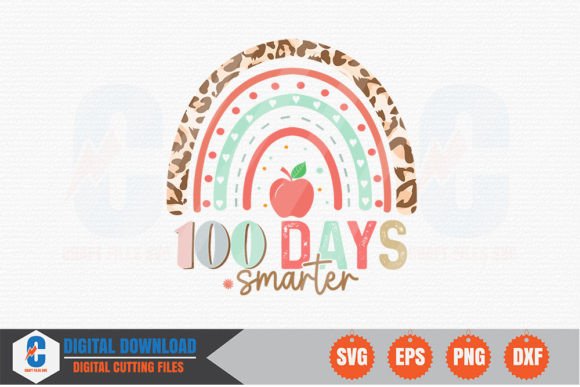
The first thing that strikes me about this design is its mood. The "retro" aesthetic is incredibly popular right now, especially in the Crafts and education sectors, but it can easily look dated if the typography isn't crisp. This Graphics asset nails the vibe without feeling cluttered. The layout suggests a bold, confident statement piece. When I visualize this as a machine embroidery design, I immediately see it working best as a centerpiece on a tote bag or the chest of a oversized sweatshirt. The shapes appear substantial enough to handle fill stitches without becoming a puckered mess, which is often the downfall of intricate retro fonts.
Real-World Application: The 100th Day Project
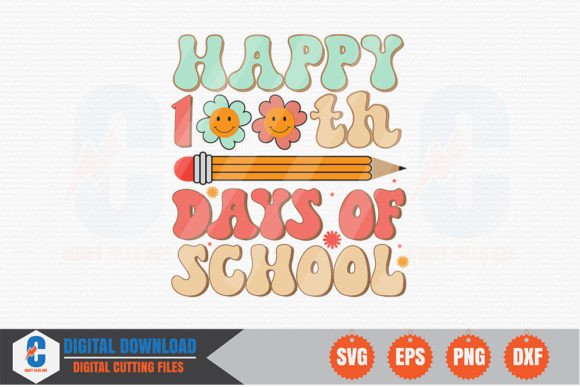
To truly test the viability of the 100 Days Smarter Retro SVG, I imagined a specific real-life scenario that many of us face this time of year: the rush for school milestones. Picture a parent ordering a custom sweatshirt embroidery for their child's 100th day of school. They want something that looks professional, not like a last-minute iron-on transfer. Using this file, I would digitize it with a combination of satin stitch for the lettering and perhaps a textured fill for any background elements to give it depth.
In this context, the design shines because it is versatile. It works beautifully on a structured canvas tote, where the fabric texture supports the density of the stitching. It also translates well to a soft fleece hoodie, provided you use the right stabilizer. For an Etsy seller or a small shop owner, this kind of versatility is gold. You aren't limited to one product type. You could offer this as a personalized gift on a nursery pillow, a patch for a backpack, or even a decorative accent on a teacher's apron. The visual personality of the design says "fun" and "celebratory," which drives customer engagement and makes the finished product highly giftable.
Navigating Technical Challenges and Fabric Choices
However, no design is perfect for every situation, and honest review means pointing out where you need to be careful. While the 100 Days Smarter Retro SVG is robust, its application on tricky surfaces requires forethought. If you are planning to embroider this on a stretchy knit or a thin performance fabric, you must pay attention to stitch density. Retro designs often feature thick, blocky letters which can become heavy. If the density is too high, the fabric will pucker, and the garment will lose its drape.
I would also exercise caution with very small hoop sizes. If you try to shrink this design down to fit on a baby onesie or a cap, the fine details between the letters might merge. Tiny lettering is the enemy of clean embroidery; what looks sharp on a vector preview can turn into a muddy blob once the thread hits the fabric. For curved surfaces like caps, ensure your digitizing software accounts for the push and pull of the fabric. Additionally, if you are using dark fabric, remember that this is an SVG source file. You will need to manually adjust your thread colors in your embroidery software to ensure sufficient contrast. A light thread on a navy background works, but you might need a underlay stitch to prevent the dark fabric from peeking through the lighter threads.
Enhancing Brand Value and Professionalism
For creative entrepreneurs and boutique branding specialists, the quality of your design assets directly impacts your brand consistency. Using a high-quality source file like the 100 Days Smarter Retro SVG elevates the perceived value of your custom apparel. Customers trust handmade items that look precise. Sloppy stitching or poorly scaled graphics erode that trust instantly. This design, with its clean lines and balanced composition, helps maintain a professional standard. It allows you to create printable mockups that accurately represent the final item, helping buyers visualize the product before they purchase.
Furthermore, the editability mentioned in the product description is a crucial feature for commercial use. Having access to editable files means you can tweak the colors to match a specific school's palette or a client's brand identity. Whether you are creating a line of holiday embroidery gifts or expanding your catalog of design assets, the ability to modify the core graphic gives you flexibility. It transforms a static image into a dynamic tool for your craft business.
Practical Notes for the Studio
Before you run this design on a final garment for a paying client, here are my practical recommendations based on years of trial and error:
- Test on Scrap First: Always stitch a sample on the exact same fabric and stabilizer combination you plan to use for the final product. This reveals issues with tension and registration.
- Check Contrast: View your digitized version in black and white. If the design loses definition without color, you may need to adjust spacing or stitch types.
- Verify Licensing: While the file comes with editable formats, always double-check the specific license terms regarding commercial sales of finished physical goods versus digital redistribution.
- Stabilizer Selection: For heavier retro fills, a cut-away stabilizer is often safer than tear-away, especially on garments that will be washed frequently.
- Inspect Small Details: Zoom in on the corners of the letters in your software. Ensure there are no stray nodes that could cause thread breaks or bird nests.
The 100 Days Smarter Retro SVG is a solid addition to any designer's library. It bridges the gap between trendy aesthetics and practical application. By understanding its strengths in bold applications and respecting its limitations on delicate fabrics, you can create stunning embroidered patches, tote bag designs, and baby embroidery pieces that customers will love. It is a reminder that great embroidery starts with a great source file, but it is finished with the skill and judgment of the maker.