Street Vendor 1: A Designer's Take on Daffodil Cart Embroidery
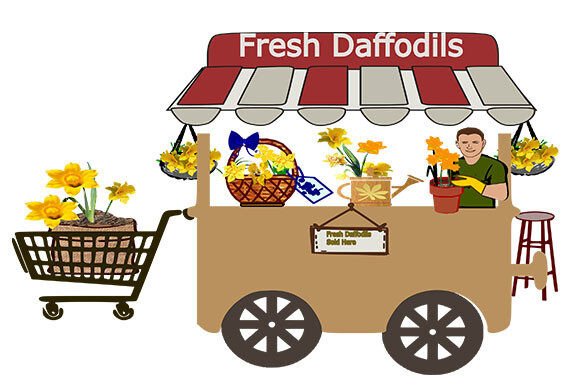
When I first pulled up the Street Vendor 1 file on my screen, I wasn't looking at it as a simple digital asset. As someone who spends hours hooping fabric and trimming jump stitches, I was immediately assessing its potential as a physical embroidery project. The image depicts a man selling daffodils from a mobile cart, a charming vignette that feels ripe for spring collections. However, moving from a Graphics category listing to a stitched finished product requires a critical eye. This review breaks down how this design translates from a vector illustration into a tangible handmade product that can elevate your craft business.
First Impressions: Mood and Visual Personality
The immediate mood of Street Vendor 1 is nostalgic and wholesome. It captures a specific moment in time—the quiet dignity of a street vendor surrounded by the bright cheer of daffodils. For an Etsy seller or boutique owner, this thematic element is gold. It speaks to slow living, local markets, and the arrival of spring. Visually, the layout is compact, centering the figure and the cart in a way that suggests it was designed with versatility in mind. The lines appear clean, which is crucial when we consider how a machine embroidery design interprets curves and corners. The visual personality is friendly without being childish, making it suitable for a wide demographic, from nursery decor to adult apparel.
Real-World Application: The Spring Tote Scenario
To truly evaluate Street Vendor 1, I imagined a specific real-life scenario: creating a limited run of canvas tote bags for a local farmer's market. In this context, the design shines. The subject matter—a vendor selling flowers—creates an instant thematic link between the product and the point of sale. If you are an apparel decorator or a maker of small shop products, this kind of synergy increases perceived value.
On a sturdy canvas tote bag design, the details of the cart wheels and the flower clusters would need to hold up under tension. Assuming the underlying embroidery file has been properly digitized with appropriate stitch density, the result should be a crisp, defined image. The daffodils offer a perfect opportunity to play with thread colors; using variegated yellows could add depth to the petals, while a solid green for the cart provides necessary contrast. This isn't just a pretty picture; it's a branding tool that tells a story about freshness and community.
Versatility Across Products
Beyond tote bags, Street Vendor 1 has strong potential for custom apparel. Imagine this stitched onto the left chest of a denim jacket or the front of a heavyweight sweatshirt. For sweatshirt embroidery, the design's contained shape works well, avoiding the pitfalls of sprawling patterns that get distorted by fabric stretch. It could also serve as a delightful baby embroidery motif on a bib or a onesie, bringing a soft, storybook quality to infant wear. For those interested in home goods, the design fits perfectly on a kitchen tea towel or a decorative pillow cover, adding a touch of rustic charm to interior spaces.
If you are a digital product seller, this graphic can be used to create printable mockup assets. Showing potential clients how this design looks on various textures helps them visualize the final outcome, increasing buyer engagement and trust in your design assets.
Technical Considerations and Fabric Challenges
While the aesthetic appeal is high, practical execution requires caution. Not every fabric behaves the same way. When working with Street Vendor 1, you must consider the fabric texture. On textured fabrics like waffle weave or heavy linen, fine details in the daffodil petals might get lost. In such cases, simplifying the color palette or using a slightly larger hoop size to allow for better stabilization might be necessary.
Stretchy fabrics present another challenge. If you plan to use this on a fitted t-shirt or a cap, the curvature of the surface can distort the straight lines of the cart. Caps, in particular, require careful positioning to ensure the vendor doesn't look like he's tipping over. For dark fabrics, you will need to verify if the design includes a satin stitch border or an underlay structure to prevent the background fabric from peeking through the lighter yellow threads. Without proper underlay, the vibrancy of the daffodils could be compromised.
Additionally, pay close attention to small details. Tiny lettering or intricate spokes on the cart wheels can become a mess of thread if the stitch density is too high or if the needle size is incorrect. Always test the design on a scrap piece of your intended fabric first. This "muslin" stage is non-negotiable for professional results. Check how the stabilizer interacts with the material; a cut-away stabilizer is often safer for items that will undergo frequent washing, ensuring the design remains stable over time.
Enhancing Brand Value and Customer Trust
Using a distinctive illustration like Street Vendor 1 can significantly impact your brand consistency. Unlike generic clip art, a themed illustration suggests curation and thoughtfulness. When customers see a cohesive collection of items featuring this design—perhaps a matching set of aprons and towels—they perceive higher quality. This attention to detail builds customer trust.
For commercial embroidery projects, the uniqueness of the design helps your products stand out in a crowded marketplace. Whether it's a holiday embroidery gift for Mother's Day or a personalized item for a gardening enthusiast, the emotional connection to the imagery drives sales. The "giftability" factor is strong here; people love giving items that feel personal and artisanal. A well-executed stitch job on this design signals professionalism, turning a simple purchase into a cherished keepsake.
Final Designer Notes and Licensing
Before committing to a production run, there are a few housekeeping items to address. Since Street Vendor 1 is listed under Illustrations and provided as an SVG file, remember that this is a vector graphic. To use it for machine embroidery, it must be digitized into a compatible embroidery file format (like PES, DST, or EXP) unless you are using a machine that accepts SVGs directly for auto-digitizing. If you are purchasing this as a ready-to-stitch file, confirm the included formats match your machine.
Always review the licensing terms. While the description mentions use for scrapbooking and journaling, commercial use for resale of physical goods may have specific conditions. Ensure you have the right to sell finished products made with this design. Finally, test the design in black and white mockups to check contrast levels. If the design relies too heavily on subtle shading, it might not translate well to thread, which works best with distinct color blocks.
In conclusion, Street Vendor 1 offers a delightful blend of narrative and visual appeal. With careful attention to fabric choice, stabilization, and digitization quality, it can become a standout piece in your portfolio. It is a design that invites creativity, encouraging makers to experiment with threads and textures to bring this charming street scene to life.