Reviewing Autumn Leaves Sublimation for Real Embroidery
As a designer who spends more time staring at stitch simulations than most people care to admit, I approach every new digital embroidery file with a mix of optimism and skepticism. We have all downloaded a beautiful graphic only to realize it turns into a bird's nest of thread once it hits the fabric. That is why I took a close look at Autumn Leaves Sublimation. While the product listing categorizes it under Illustrations and Graphics, my job is to translate those vector shapes into tangible, stitched reality. This isn't just about whether it looks good on a screen; it is about whether it holds up on a sweatshirt, a tote bag, or a boutique pillow cover.
The Visual Personality and First Impressions
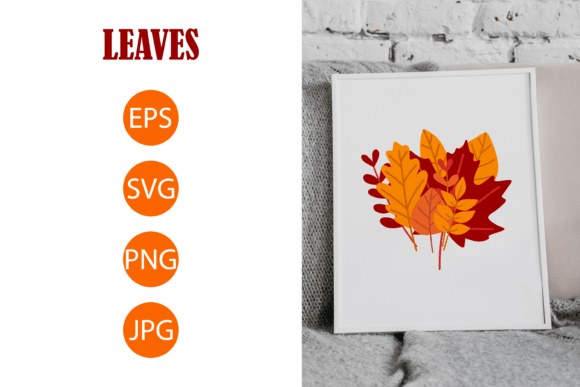
When I first opened the file, the immediate impression was one of organic fluidity. The design relies on 100 vector shapes that are fully resizable, which is a massive plus for us in the craft business. Unlike raster images that pixelate when you stretch them, these vectors maintain their crisp edges regardless of scale. The theme is unmistakably seasonal, capturing that cozy, transitional mood of fall without leaning too hard into cliché Halloween imagery. It feels sophisticated enough for high-end home decor yet playful enough for children's wear.
The layout suggests a natural flow, ideal for creating a sense of movement across a garment. For an embroidery project, this means we aren't fighting against rigid lines. The shapes invite us to think about how light and shadow will play across the stitches. Since the design offers 100 color changeable elements, the potential for customization is nearly endless. You could stick to traditional burnt oranges and deep reds, or pivot to a modern palette of sage greens and mustard yellows for a unique boutique look. This flexibility is crucial for an Etsy seller trying to stand out in a saturated market.
Real-World Application: The Custom Tote Bag Scenario
To truly test the viability of Autumn Leaves Sublimation, I imagined a specific real-life scenario: preparing a run of custom embroidered tote bags for a local farmer's market. Tote bags are tricky because canvas has a distinct fabric texture that can swallow fine details. Here, the resizable nature of the vectors shines. I could scale the design up to fill the front panel of a large shopper bag, ensuring the leaf shapes remain distinct and recognizable from a distance.
In this context, the design works beautifully as a focal point. If I were using a satin stitch for the outlines and a fill stitch for the interior of the leaves, the result would be a textured, tactile finished product that customers want to touch. The visual appeal translates directly to perceived value. A customer seeing this on a shelf doesn't just see a bag; they see a handmade product with thought put into the seasonal aesthetic. It elevates a simple utility item into a personalized gift or a statement piece for autumn outings.
Versatility Across Different Products
Beyond tote bags, this design asset fits seamlessly into various other categories. Imagine it centered on the chest of a heavyweight crewneck for sweatshirt embroidery. The warmth of the leaf motif complements the cozy nature of fleece or cotton blends. For baby embroidery, scaling the design down for a onesie or a bib creates a sweet, gender-neutral option that parents love during the fall months. It also serves well as an embroidered patch design. By adding a merrow edge around the vector shapes, you create a durable accessory that can be ironed onto denim jackets or hats.
For those running a small shop product line, consistency is key. Because the colors are so easily adjustable, you can create a cohesive family of products—pillow covers, tea towels, and aprons—that all share the same DNA but offer variety in colorways. This helps with brand recognition and makes your printable mockup galleries look professional and curated.
Technical Considerations and Stitching Challenges
However, no design is without its challenges, and a responsible review must address where caution is needed. While the source file is high-quality vectors, translating this into a machine embroidery design requires careful digitizing or selection of the right pre-made stitch file. One major consideration is stitch density. If the leaves are too densely filled, especially on stretchy fabrics like jersey knits, the material may pucker or distort. It is vital to test the design on scrap fabric first to gauge how the tension affects the final look.
Small hoop sizes present another hurdle. If you are working on a cap or a small pocket, you might need to isolate specific leaf shapes from the cluster. The fact that there are 100 separate shapes allows for this modularity, but it also means you need to be deliberate about composition. Don't try to cram the entire design into a 4x4 hoop unless you are certain the details won't merge into a blob of thread. Additionally, curved surfaces like caps require a design that flows with the curve rather than fighting against it. The organic nature of these leaves helps, but placement is everything.
Dark fabrics also demand attention. If you are stitching on navy or black, ensure your thread colors have enough contrast. A dark red leaf on a black background might look moody on a screen but disappear entirely in real life. Testing in black and white mockups before committing to thread can save you from costly mistakes. Furthermore, always use the proper stabilizer. For textured fabrics like towels or waffle weave, a cut-away stabilizer is often necessary to prevent the design from sinking into the pile.
Commercial Viability and Professional Standards
From a business perspective, Autumn Leaves Sublimation offers strong potential for commercial embroidery projects. The ability to resize without quality loss means you can offer this design on everything from tiny handkerchiefs to large blanket throws without needing multiple file versions. This efficiency saves time and reduces file management headaches. However, before selling any custom apparel or digital products featuring this art, you must confirm the licensing terms. The description mentions usage for clothes product printing and cards, but always double-check if the license covers finished physical goods versus digital resale.
Customer trust is built on the quality of the finished product. If the stitching is clean, the colors are vibrant, and the design holds up after frequent washing, your reputation grows. This design, with its clear shapes and adaptable palette, supports that goal. It avoids overly tiny lettering or impossibly fine details that tend to fray, making it a reliable choice for items that need durability.
Final Verdict for Designers and Makers
In conclusion, Autumn Leaves Sublimation is a robust resource for anyone looking to add seasonal flair to their inventory. It bridges the gap between digital illustration and tactile embroidery effectively. Whether you are a hobbyist making holiday gifts or a professional decorator fulfilling bulk orders, the flexibility of the 100 vector shapes provides a solid foundation. Just remember to respect the limitations of your materials. Check your hoop size, mind your stitch density, and always test on scraps. When treated with the right technical care, this design transforms from a simple graphic into a cherished holiday embroidery piece that brings warmth and style to any project.