Design Review: A Bold Statement for Custom Apparel
As a designer who spends more time staring at stitch maps than most people spend looking at their phones, I approach every new machine embroidery design with a mix of excitement and skepticism. We have all been there: you download a file that looks stunning on the screen, only to find out it turns into a bird's nest of thread breaks and puckering once it hits the fabric. That is why I took a close look at Design, a graphic asset marketed primarily for T-Shirt Designs but promising versatility for other applications. After mentally walking through the workflow of using this in a real client project, here is my honest take on how this file performs in the wild.
First Impressions and Visual Personality
The first thing that strikes me about Design is its sheer scale and confidence. The product description notes a size of 18 feet by 15 feet. Now, let's be realistic for a moment: in the world of digital embroidery file assets, a dimension listed in "feet" usually indicates a vector-based source or a scalable graphic intended for large-format printing or massive signage, rather than a pre-digitized stitch file ready for a home hoop. However, the note that "you can edit all elements easily" suggests this is a highly flexible Graphics package. For an embroidery professional, this is a double-edged sword. It means the creative potential is limitless, but it also places the burden of proper digitizing or resizing squarely on your shoulders.
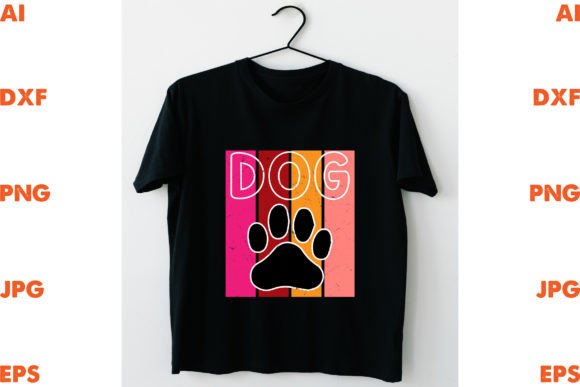
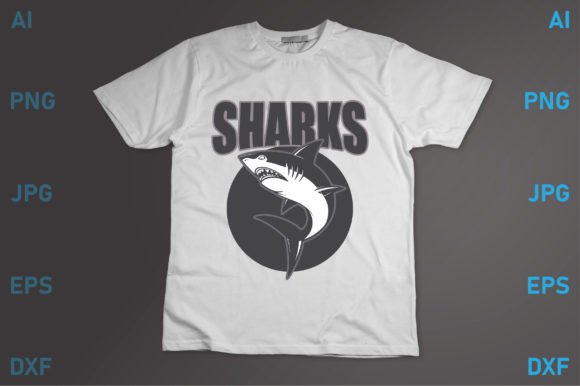
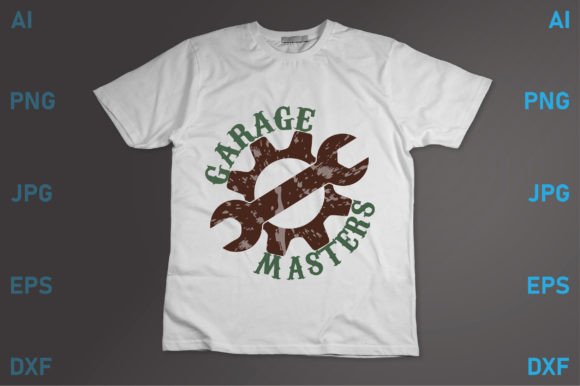
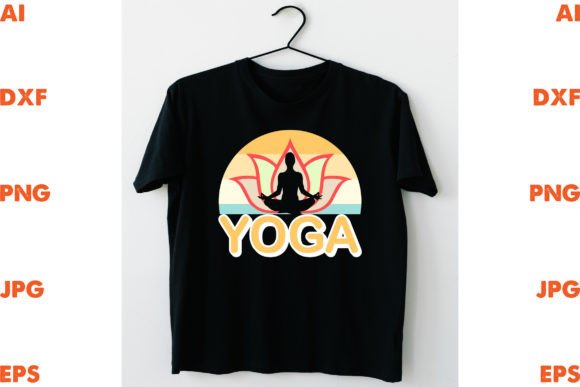
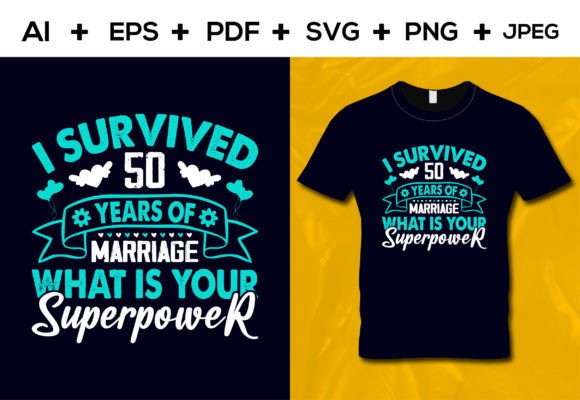
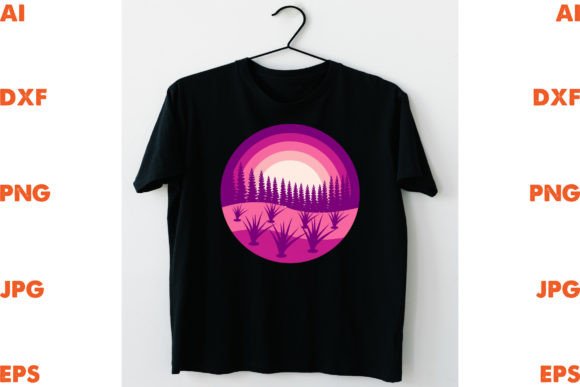
Visually, the layout feels modern and bold. It lacks the clutter often found in cheap stock designs, offering clean lines that would translate beautifully into a satin stitch or a crisp fill stitch if digitized correctly. The mood is energetic, making it a natural fit for streetwear, boutique branding, or statement pieces where the goal is immediate recognition. It does not scream "delicate heirloom"; instead, it shouts "custom apparel" meant to be worn and seen.
Real-World Application Scenarios
Let's imagine a practical scenario. You run a small shop selling personalized gear at local craft fairs. A customer approaches you wanting a matching set of heavy cotton tote bags for a bachelorette party. This is where Design could shine. Because the elements are editable, you could isolate specific parts of the graphic to create a cohesive look without overwhelming the canvas of a tote bag design.
Alternatively, consider sweatshirt embroidery. The thick fabric of a crewneck provides a stable base for larger graphics. If you were to adapt this design for a chest placement or a full-back feature, the bold shapes would hold up well against the texture of fleece or French terry. For an Etsy seller, this kind of versatility is gold. You aren't just selling one item; you are selling a visual identity that can be applied to aprons, pillow covers, or even large wall hangings if the resolution holds up. The ability to tweak the design means you can offer true customization, which is the lifeblood of any successful craft business.
Navigating Technical Challenges
However, we must address the elephant in the room: the stated dimensions and the nature of the file. If you are planning to use this for standard home embroidery machines, you cannot simply load an 18-foot graphic into a 5x7 hoop. This is where practical judgment comes in. Before stitching, you must verify the actual stitch count and the native hoop compatibility within the ZIP FOLDER contents.
If this file requires you to resize it significantly down to fit a cap or a baby onesie, you need to be wary of detail loss. Tiny lettering or intricate corners that look sharp at 15 feet can become a muddy mess when shrunk to 3 inches. In such cases, you might need to simplify the pathing or switch to a running stitch for fine details to maintain clarity. Furthermore, if you are working on stretchy fabrics like jersey knits for baby embroidery, the density of the original design matters immensely. A dense fill stitch on a stretchy garment without proper stabilization will lead to puckering that no amount of steaming can fix.
Material Considerations and Stitch Quality
The success of any embroidery project relies heavily on the marriage between the design and the substrate. With Design, I would exercise caution on textured fabrics like waffle knits or looped towels. The bold lines might get lost in the weave, or worse, cause the needle to deflect. For dark fabrics, you must check the underlay settings if you are doing the digitizing yourself, or ensure the provided embroidery file includes a solid underlay to prevent the background color from peeking through.
Thread choice is another critical factor. Since the design relies on strong shapes, using high-sheen rayon or polyester threads can enhance the visual pop, especially for holiday embroidery or festive items where vibrancy is key. Conversely, for a more subdued, high-end boutique look, matte cotton threads could give the finished product a sophisticated, vintage feel. Always test your thread colors against the fabric swatch first; what looks good on a white background in a preview might clash violently with a navy blue sweatshirt.
Professional Advice for Commercial Use
For those looking to use this as a commercial embroidery asset, due diligence is non-negotiable. The description mentions receiving one ZIP folder, but it cuts off before listing the specific formats. Before listing this as a small shop product or including it in a client quote, open that folder and confirm you have the correct extensions for your machine (PES, DST, EXP, etc.).
Additionally, review the licensing terms carefully. Just because a file is editable does not always mean it is free for unlimited commercial resale as a digital asset. If you plan to sell the handmade product itself, you are generally safe, but reselling the file itself often has restrictions. Always read the fine print to protect your business reputation.
My final recommendation for anyone picking up Design is to treat it as a powerful raw material rather than a turnkey solution. Run a test stitch-out on scrap fabric that matches your final project's weight. Check the back of the hoop to ensure the stitching isn't too dense, which can make garments uncomfortable to wear. If you are creating an embroidered patch, ensure the edges are defined enough to be cut cleanly.
In the hands of a skilled operator who understands fabric behavior and machine limitations, Design has the potential to be a standout piece in your portfolio. It offers the flexibility needed for diverse projects, from personalized gift items to branded merchandise. Just remember: the screen is a lie, and the fabric is the truth. Test thoroughly, respect the materials, and let your craftsmanship do the rest.