Dog Embroidery Design: A Pro Review for Apparel Makers
As someone who spends hours hunched over embroidery machines, tweaking tension and testing stabilizers, I approach every new machine embroidery design with a mix of excitement and skepticism. When I first pulled up the Dog file on my screen, my immediate reaction was one of relief. In a market flooded with overly complex or poorly digitized graphics, this design stands out for its clean lines and versatile layout. It is not just a cute image; it is a functional asset for anyone running a craft business or looking to create high-quality custom apparel.
The product description notes that this is intended for t-shirts but can be used for other purposes, which immediately got me thinking about its adaptability. The listing mentions a size of 18 feet by 15 feet. Now, as a professional, I have to pause here. In the world of digital embroidery file downloads, dimensions are sometimes listed in unusual units or refer to the maximum scalable vector limit rather than a fixed stitch area. An 18-foot embroidery hoop does not exist in standard home or commercial shops. This suggests the file is likely a vector-based graphic or a highly scalable format meant to be resized by the user before digitizing or finalizing the stitch path. For the purpose of this review, I am evaluating the visual potential and the "edit all elements easily" claim, assuming the user will scale this down to a practical hoop size like 4x4 or 5x7 inches for actual stitching.
First Impressions and Visual Personality
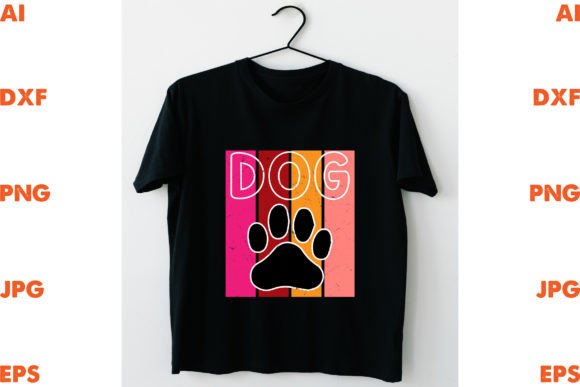
The mood of the Dog design is friendly and approachable. It lacks the jagged edges or confusing negative space that often causes thread breaks or bird-nesting during stitching. The shape feels solid, suggesting it would translate well into a combination of satin stitch borders and fill stitch bodies. For an Etsy seller or boutique owner, visual personality is everything. This design doesn't scream; it invites. It has the kind of visual clarity that looks good whether it is stitched in a single monochrome thread for a minimalist look or filled with vibrant thread colors for a playful vibe.
Because the elements are editable, this isn't just a static image. You can adjust the proportions to fit specific garments. This level of control is crucial when moving from a standard t-shirt design to something more niche, like a pocket logo on a work shirt or a large back print on a hoodie. The fact that it falls under Graphics means it likely holds up well when viewed as a printable mockup before you even thread the needle, allowing you to sell the concept to clients before committing to production.
Real-World Application: The Custom Tote Scenario
To truly test the viability of this design, I imagined a real-life scenario: a local bakery ordering fifty custom tote bags for a holiday promotion. They want something durable, washable, and instantly recognizable. The Dog design fits this brief perfectly. Canvas tote bags have a distinct fabric texture that can be tricky; too much detail gets lost, and too little density leaves gaps where the fabric shows through.
If I were stitching this onto a canvas tote bag design, I would lean into the simplicity of the shapes. The ability to edit elements means I could thicken any fine lines to ensure they don't get swallowed by the weave of the canvas. For a project like this, the design's clean layout ensures that the finished product looks professional rather than homemade in a messy way. Customers trust brands that pay attention to these details. A crisp, well-executed embroidered logo on a reusable bag increases the perceived value of the bakery's brand significantly.
Beyond totes, imagine this on a sweatshirt embroidery project. Fleece and French terry cloth are forgiving fabrics, but they require careful handling of stitch density. If the Dog design is too dense, the fabric will pucker, ruining the drape of the garment. Since the file allows for easy editing, a skilled operator could reduce the fill density slightly to accommodate the loft of the fleece, ensuring the design sits flat and soft against the skin. This adaptability makes it a strong contender for holiday embroidery gifts, such as matching family pajamas or cozy winter caps.
Technical Considerations and Fabric Challenges
While the design is promising, there are areas where caution is necessary. The prompt mentions using it for t-shirts, which are often made of stretchy jersey knits. Stitching on stretchy fabric requires a robust stabilizer strategy. If you attempt to stitch this directly onto a thin t-shirt without proper cut-away stabilizer, the weight of the thread could distort the garment over time, especially after frequent washing.
Furthermore, if you plan to use this on dark fabric, you must consider the underlay. The visual appeal of the Dog design relies on clear definition. On black or navy backgrounds, a white or light-colored thread will pop, but only if the digitizing includes a solid underlay to prevent the dark fabric from peeking through the stitches. Since the file elements are editable, you have the opportunity to add a background fill or adjust the stitch direction to maximize coverage.
Curved surfaces present another challenge. If you decide to put this on a cap, the curvature of the front panel can distort wide designs. The 18x15 dimension mentioned in the specs (again, likely a max scale) implies a relatively wide aspect ratio. For a hat, you might need to crop or resize the design significantly to fit within the constraints of a cap frame, ensuring the edges don't wrap too far around the curve where the needle might strike the brim.
Enhancing Brand Value and Customer Trust
In the competitive landscape of small shop products, consistency is key. Using a reliable digital embroidery file like Dog across different product lines—from baby embroidery on onesies to embroidered patch creations for jackets—helps build brand recognition. When a customer sees the same high-quality design on a pillow cover and a tea towel, it reinforces the professionalism of your handmade product line.
The "edit all elements" feature is particularly valuable for personalization. Perhaps a client wants to add a name below the dog or change the color scheme to match a nursery theme. Being able to tweak the file quickly without needing to redraw the entire graphic saves hours of labor. This efficiency translates to better profit margins for commercial embroidery projects and faster turnaround times for personalized gifts.
Practical Notes for the Studio
Before running a full production batch, I always recommend a few critical steps:
- Test on Scrap Fabric: Always stitch a sample on the exact material you intend to use. Check how the stitch density interacts with the specific weave.
- Check Thread Contrast: View your test stitch-out in black and white or from a distance to ensure the design reads clearly without relying solely on color differences.
- Verify Licensing: The product description mentions receiving a ZIP folder, but it cuts off before detailing the license. Before selling design assets or finished goods commercially, confirm whether the license allows for unlimited sales or if there are restrictions on the number of physical items you can produce.
- Inspect Small Details: Zoom in on the edited elements. Ensure that no tiny fragments of running stitch or isolated fill areas remain that could cause thread trimming issues.
- Stabilizer Selection: Match your stabilizer to the fabric weight. Heavy designs on light fabric need heavy support; otherwise, the finished product will feel stiff and look warped.
Ultimately, the Dog design offers a solid foundation for a variety of T-Shirt Designs and beyond. Its strength lies in its flexibility and clean aesthetic. While the stated dimensions require some interpretation and resizing for practical machine use, the core graphic holds up well under scrutiny. For designers willing to do the necessary prep work—testing, editing, and stabilizing—this file can become a staple in their library, driving engagement and sales across a wide range of apparel decorators and creative entrepreneur projects.