Eagle Embroidery Design: A Pro Review for Real Projects
When I first pulled up the Eagle file on my screen, my immediate reaction wasn't just about the subject matter; it was about the potential application. As someone who spends hours digitizing and stitching for clients, I look past the pretty picture to see how a design behaves under the needle. This specific graphic, categorized under T-Shirt Designs and Graphics, presents an interesting case study for embroidery designers and small business owners looking to expand their catalog with bold, nature-inspired imagery.
The first thing that strikes you is the sheer scale mentioned in the product details. The description notes a size of 18 feet by 15 feet. Now, let's be realistic for a moment: no home embroidery machine or standard commercial arm is hooping an 18-foot design. This tells me two things immediately. First, this is likely a vector-based graphic or a highly scalable digital embroidery file intended for large-format printing or massive signage, but the note about editing elements suggests it's also meant to be resized significantly for standard apparel. Second, the claim that "you can edit all elements easily" is the real hook here. For a professional, editability is gold. It means I can simplify complex areas for a cap, enlarge it for a back patch, or isolate specific feathers for a subtle chest logo.
Visual Impact and Mood
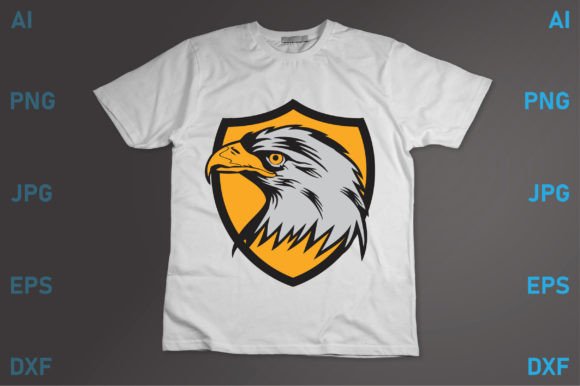
The mood of the Eagle design is undeniably powerful. Eagles symbolize freedom, strength, and precision—traits that translate well into branded merchandise. Visually, the layout feels dynamic. In a real-world scenario, I imagine this working beautifully on a heavy cotton sweatshirt where the bold lines can stand out against the textured fabric. The visual personality of this graphic leans towards the heroic and classic, making it a strong candidate for boutique branding or patriotic holiday embroidery projects.
However, the transition from a digital graphic to a stitched reality requires careful consideration. If this design relies heavily on fine details to define the eagle's features, those details might get lost when scaled down for a standard 4x4 hoop. The "edit all elements" feature becomes crucial here. I would immediately dive into the software to thicken any running stitch outlines that look too fragile and convert dense fill stitch areas into something more breathable, especially if the end product is a stretchy t-shirt.
Real-World Application Scenarios
Let's walk through a specific project. Imagine a client runs a local outdoor gear shop and wants a signature line of custom apparel. They need a logo that looks good on a rugged canvas tote bag and a performance fleece jacket. The Eagle design fits this brief perfectly. For the tote bag, the sturdy fabric can handle a higher stitch density, allowing the satin stitch details of the wings to pop with definition. The result is a high-value handmade product that elevates the shop's perceived quality.
On the other hand, consider a personalized gift for a new parent—a baby onesie with a small, simplified version of the eagle. Here, the original 18x15 foot scale is irrelevant; we are talking about a 3-inch emblem. In this context, the ability to edit elements is non-negotiable. You would need to remove tiny internal details that would bunch up on knit fabric and ensure the thread colors provide enough contrast without looking muddy. A poorly scaled eagle can look like a blob, ruining the giftability of the item. By simplifying the design assets, you ensure the finished product remains crisp and professional.
For Etsy sellers and craft business owners, versatility is key. This design could easily be adapted for an embroidered patch. Patches are trending, and an eagle motif is a staple in that niche. You could stitch this on twill, cut it out, and finish the edges with a merrow border. This turns a simple digital file into a tangible inventory item for craft fairs. Similarly, for holiday gifts, placing this design on a kitchen towel or apron adds a touch of rustic elegance, provided the stitch count isn't so high that the fabric puckers after washing.
Technical Considerations and Fabric Compatibility
While the potential is high, there are areas where you must proceed with caution. The description mentions using this for t-shirts, which are often made of thin, stretchy jersey knits. Applying a large, dense graphic to a thin t-shirt is a recipe for disaster. The weight of the thread can cause the garment to sag, and the stiffness of the fill stitch can make the wearing experience uncomfortable.
If you plan to use Eagle on dark fabric, you must check the underlay settings. Dark backgrounds require a solid foundation to prevent the fabric color from peeking through the lighter thread colors of the eagle's head or talons. Without proper stabilizer selection—likely a cut-away for knits—the design may shift or distort over time. For curved surfaces like caps, the center of the design needs to be carefully aligned. An eagle's face distorted by the curve of a hat looks unprofessional and can erode customer trust.
Another critical factor is washability. Products that need frequent washing, like gym shirts or children's clothes, demand robust stitching. If the design has tiny lettering or intricate corners, these are the first points of failure. I always recommend testing the design on scrap fabric identical to your final material. Run it through the wash and dry cycle before committing to a production run. This simple step saves money and protects your reputation as a maker.
Maximizing Value and Professionalism
Ultimately, the value of the Eagle design lies in how you adapt it. A generic graphic becomes a premium asset when tailored to the specific needs of the project. For commercial embroidery projects, consistency is everything. If you are selling this as part of a collection, ensure that the thread colors match your brand palette exactly. Use printable mockups to show customers how the design will look on different garments before they buy. This transparency boosts buyer engagement and reduces returns.
For digital product sellers, offering this file with clear instructions on resizing and editing adds immense value. Many hobbyists buy designs without knowing how to adjust them for different hoop sizes. Including a guide on recommended stabilizers or thread counts (once verified) can set your shop apart. Remember, the file comes in a ZIP folder, so organize your deliverables clearly. Are you providing multiple formats? The prompt doesn't specify, so it is vital to check the contents immediately upon download to ensure compatibility with your machines.
Final Verdict for Makers
The Eagle design offers a strong foundation for a variety of embroidery projects, from custom apparel to home decor. Its strength lies in its symbolic power and the flexibility to edit elements. However, success depends entirely on the user's technical judgment. Do not blindly stitch the default size onto delicate fabrics. Respect the limitations of your hoop size and the properties of your materials.
Before launching this into your shop or using it for a client, verify the license terms. The description implies commercial use is possible, but always confirm if there are restrictions on the number of physical items you can sell. Check the stitch density in your software; if it looks too solid, lighten it up. Test it in black and white mockups to ensure the silhouette holds up without color reliance.
In the hands of a skilled designer, this graphic transforms from a simple image into a versatile tool for building a brand. Whether it's adorning a boutique tote bag design or serving as the centerpiece of a sweatshirt embroidery line, the Eagle has the presence to command attention. Just remember: the difference between a good product and a great one is often found in the preparation, the testing, and the thoughtful adaptation of the design to the real world.